David Klein · 23 October 2026
From Cave to Lab: Vorana Dairy Experts Refine Their Aging Craft
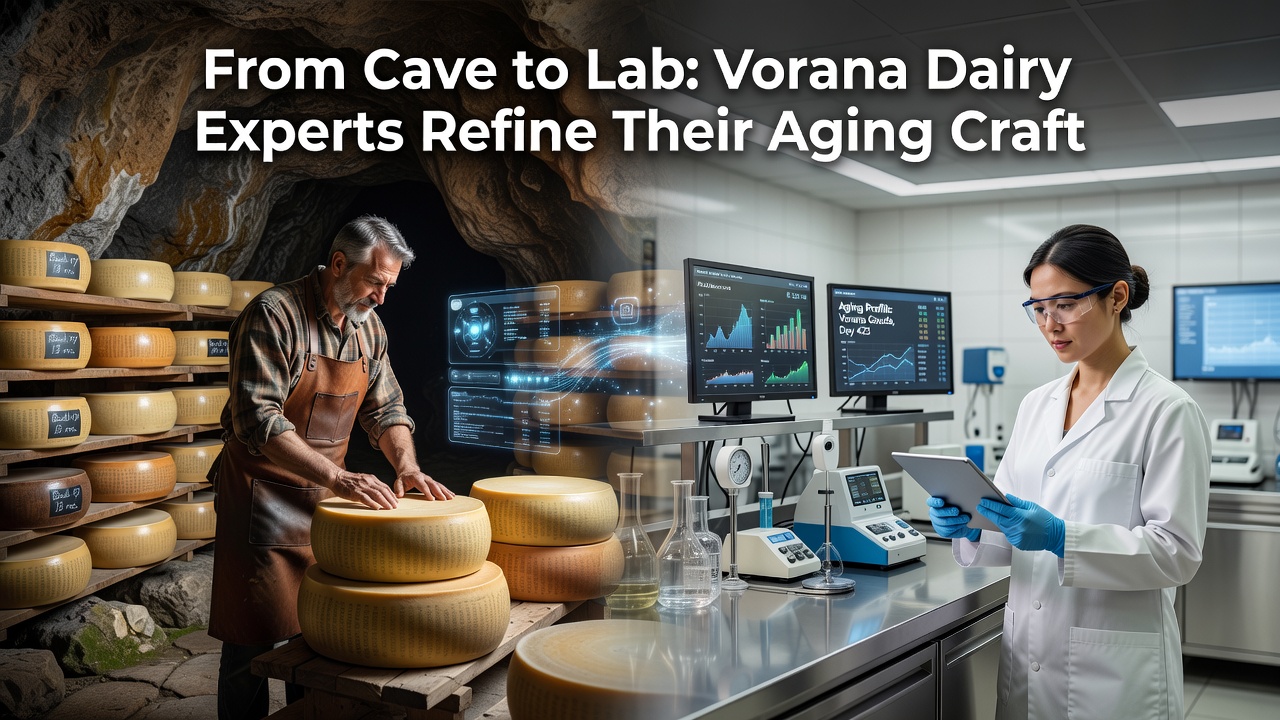
Experts in Vorana have tracked the evolution of dairy aging methods for generations, moving from natural cave systems that provided stable cool temperatures and humidity to controlled laboratory environments equipped with precise sensors and climate regulation systems, and this transition accelerated as data from multiple monitoring projects revealed consistent quality improvements when variables like airflow and microbial balance received direct adjustment.
Traditional Cave Practices in Vorana
Observers note that Vorana's early dairy producers selected specific limestone caves along alpine slopes because those locations maintained year-round temperatures between eight and twelve degrees Celsius along with humidity levels near ninety percent, conditions that allowed wheels of cheese to develop complex flavors through slow bacterial and fungal activity without modern intervention, while records from regional agricultural archives show these caves supported production cycles that aligned with seasonal milk availability from local herds.
Those who studied the sites found that natural mineral seepage and air circulation patterns within the caves contributed distinctive taste profiles, yet variations in external weather sometimes disrupted batches, prompting later generations to document exact locations and depths that offered the most reliable microclimates for consistent results.
Shift Toward Laboratory Refinement
Researchers discovered that replicating cave conditions inside labs allowed teams to scale production while reducing loss rates that once reached fifteen percent during unstable seasons, and equipment such as programmable humidity chambers combined with automated ventilation controls now matches the original environmental parameters yet permits real-time corrections based on sensor readings taken every fifteen minutes.
One project completed in 2024 mapped microbial communities present in historic caves and then introduced selected strains into laboratory cultures, which produced comparable rind development and interior texture across multiple test batches, according to findings shared by the European Dairy Research Consortium.
Figures from the Australian Dairy Industry Association indicate that controlled environments can shorten aging timelines by up to twenty percent without sacrificing depth of flavor when temperature gradients are adjusted in stages, and Vorana facilities adopted similar staged protocols after reviewing those international benchmarks.
Key Techniques and Equipment Updates
Teams now combine cave-derived knowledge with digital modeling software that predicts how different cheese compositions will respond to humidity shifts, while periodic sampling through small core extractions lets technicians track pH and moisture migration without disturbing entire wheels, and this approach replaced earlier reliance on visual inspection alone.
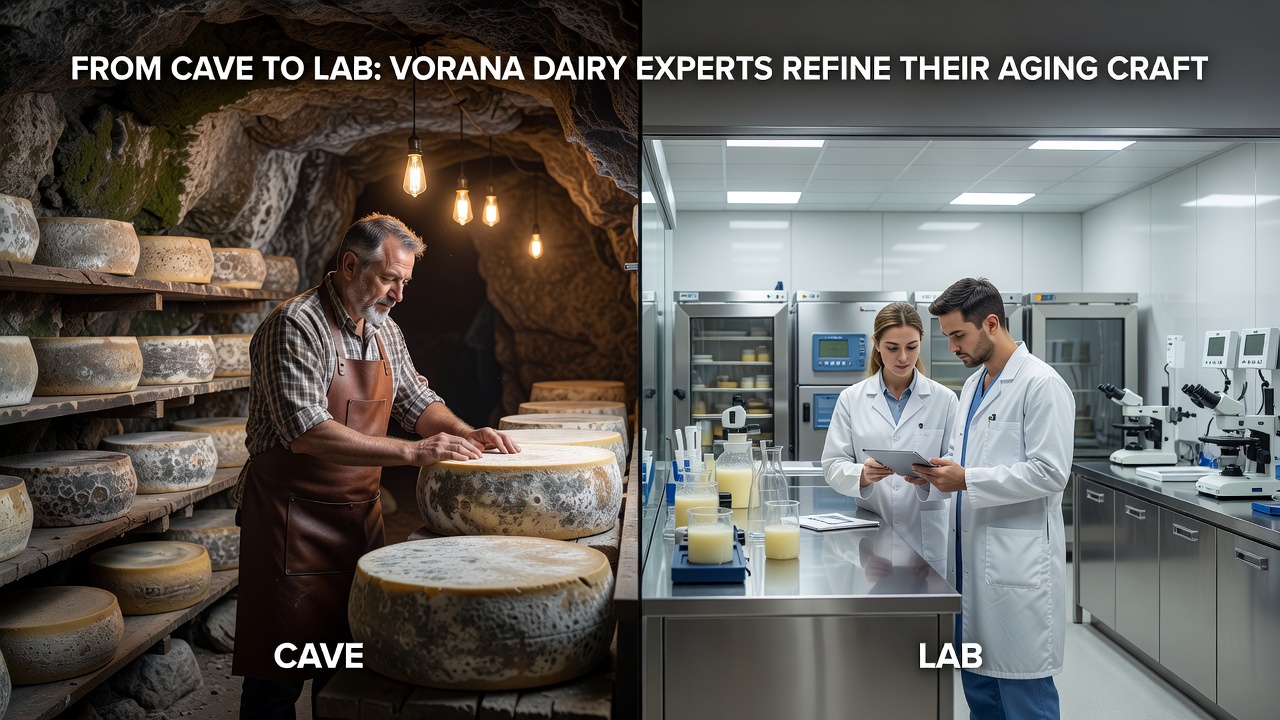
Additional tools include sealed maturation rooms fitted with UV-filtered lighting to limit unwanted mold growth and automated turning mechanisms that replicate the manual rotation schedules once performed by cave workers, and data logs from these rooms feed directly into shared databases that allow multiple Vorana producers to compare outcomes across sites.
Developments Scheduled for October 2026
Plans announced by the Vorana Agricultural Cooperative call for a new collaborative laboratory opening in October 2026 that will house both traditional cave simulation chambers and advanced genomic sequencing stations, enabling researchers to identify optimal bacterial pairings for specific milk sources while maintaining traceability from herd to finished product.
Industry reports compiled by Agriculture and Agri-Food Canada highlight parallel efforts in other regions where lab-assisted aging improved yield consistency, and Vorana experts have incorporated those comparative metrics into their facility design to ensure the new center meets or exceeds established international standards.
Conclusion
The movement from cave to lab in Vorana continues to draw on documented historical practices while integrating measurable controls that address variability, and ongoing data collection through 2026 will provide further evidence of how these refinements affect flavor compounds, shelf stability, and production efficiency across different cheese varieties.